
Call Us
1 800 334-1583
Veterinary Anesthesia Vaporizers
Vetamac offers precision veterinary anesthesia vaporizers for both isoflurane and sevoflurane, compatible with the Moduflex and Vetamac anesthesia machine lines. We also provide in-house vaporizer calibration and servicing at our dedicated calibration center in Indiana, ensuring optimal accuracy and performance.
Tec 3 Anesthesia Vaporizer
Price range: $1,350.00 through $1,395.00
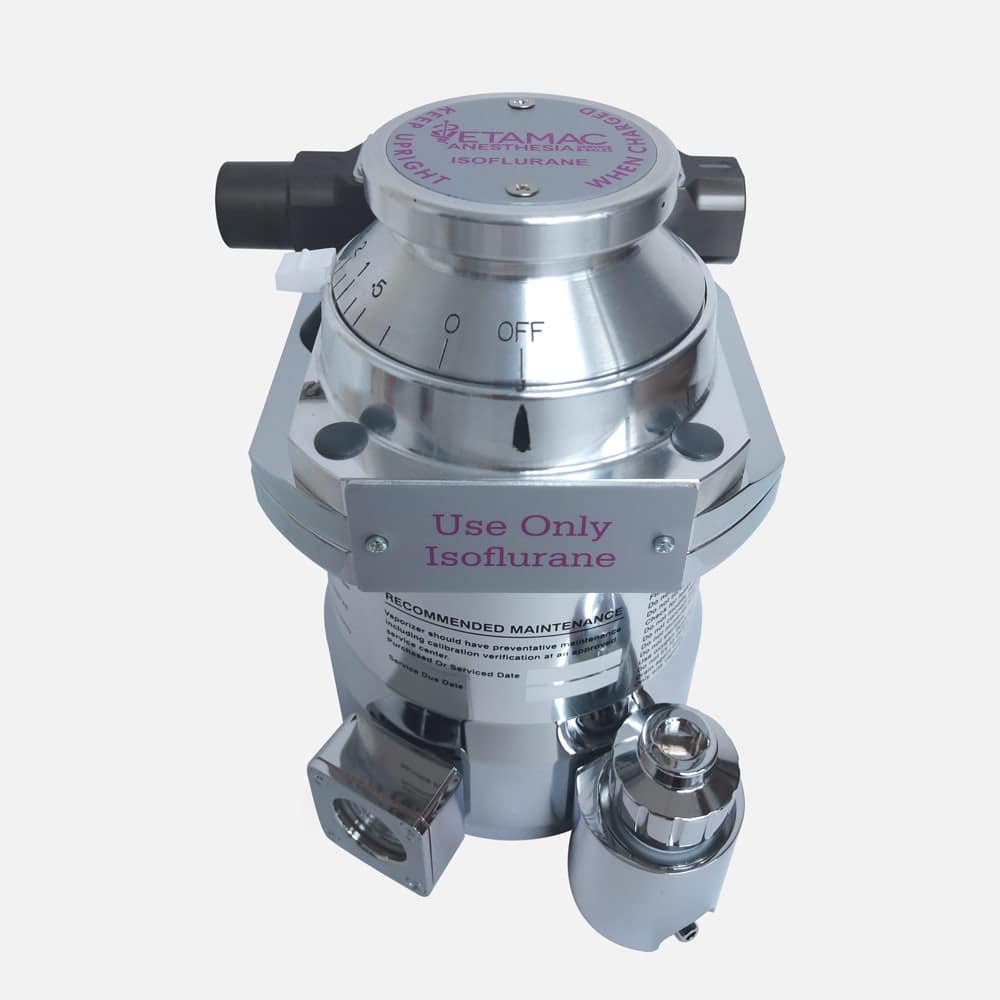
Penlon Sigma Delta Vaporizer
Price range: $1,350.00 through $1,395.00

Anti-Spill Adapter
$64.20
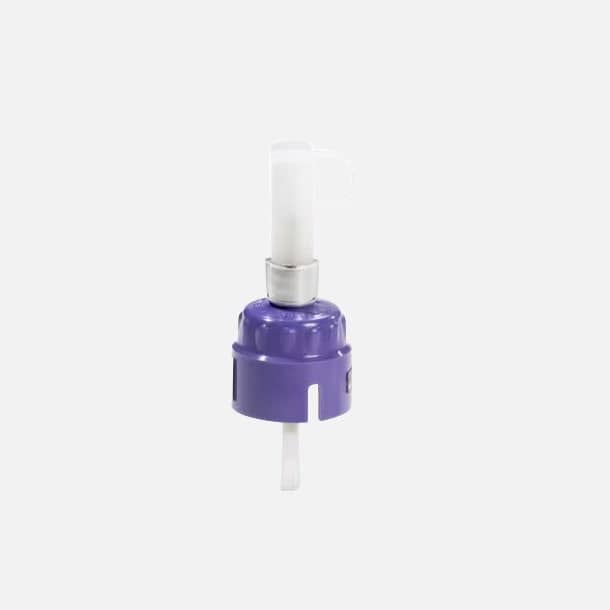
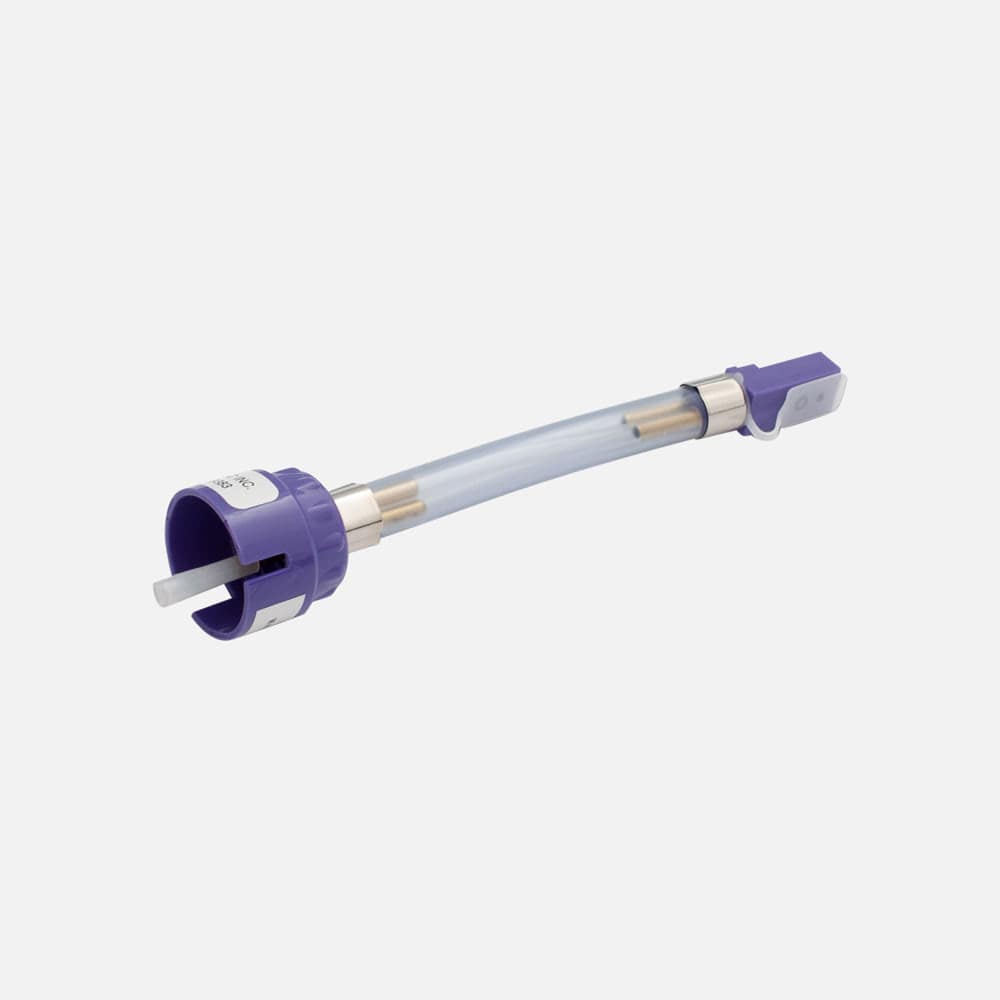
Vapofil Adapter
Price range: $140.11 through $141.24
The vaporizer is where anesthetic precision begins. It delivers a calibrated concentration of isoflurane or sevoflurane into the fresh gas stream, and even a small drift in its output puts your patient at risk. We supply precision vaporizers built for veterinary practice, and we keep them accurate through our own calibration center in Indiana.
Precision that protects your patient
A vaporizer that reads one value on the dial but delivers another is one of the most common hidden risks in anesthesia. Our vaporizers, including the Tec 3 and the Penlon Sigma Delta, hold their calibrated output across low flows and changing room temperatures, so the percentage you set is the percentage your patient receives. Each is agent-specific and available in isoflurane or sevoflurane, with funnel-fill designs that make filling quick and clean. To go deeper on how vaporizers work and the myths worth ignoring, our anesthesia team covers it in Debunking Vaporizer Myths.
Isoflurane or sevoflurane: matched to your practice
Isoflurane remains the workhorse of general practice: cost-effective, dependable, and well suited to a broad range of species. Sevoflurane offers faster induction and recovery, which many teams prefer for feline patients, exotics, and cases where a smooth, rapid recovery matters most. Because each agent requires its own dedicated vaporizer, we help you match the right unit to the agent your clinic relies on. For a full comparison of the two agents, see Isoflurane vs Sevoflurane: Key Differences.
One calibration center, done in-house
Vaporizers drift with use, and an out-of-calibration unit is a patient safety issue, not just a maintenance item. This is why we operate a dedicated vaporizer calibration center in Indiana. Our technicians clean, test, and recalibrate your vaporizer to factory accuracy, then return it ready for service, with the peace of mind of knowing exactly what your patient receives. We recommend recalibration every 12 months, and we service most major brands, not only the ones we sell. Before you replace a suspect unit, it is worth reading Unlocking the Secrets of Anesthetic Vaporizers, where our team explains why most vaporizers blamed for a problem are actually within tolerance. Learn about our calibration service.
Compatible with your machine
Our vaporizers mount to the cagemount and Selectatec style fittings used across the Moduflex and Vetamac machine lines. If you are unsure which unit fits your setup, send us your machine model and our team will confirm the correct vaporizer before you order.
Works with the rest of your anesthesia system
- Anesthesia machines: the platform your vaporizer mounts to
- Breathing circuits: carry the vaporized agent to your patient
- CO2 absorbent: works alongside the vaporizer in rebreathing systems
- Veterinary anesthesia equipment: explore the full range
Resources from our anesthesia team
- Guide to Installing, Filling, Draining, and Removing a Vaporizer
- Vaporizers: Know What You Give, Know What You Get
- Adjusting and Calibrating Vaporizers
Frequently asked questions
How often should a vaporizer be calibrated?
We recommend recalibration every 12 months, and sooner if you suspect the output is off, after any repair, or following an accidental cross-fill. Our Indiana calibration center returns your vaporizer to factory accuracy and documents the result for your records.
Can I use one vaporizer for both isoflurane and sevoflurane?
No. Vaporizers are agent-specific. Filling a vaporizer with the wrong agent damages the unit and produces an unpredictable output concentration that endangers your patient. Each agent requires its own dedicated vaporizer.
How do I know if my vaporizer is inaccurate?
Warning signs include patients waking or deepening unexpectedly at a steady dial setting, unusually high agent consumption, or a unit that has not been calibrated in over a year. A flow-through test by a trained technician is the only way to confirm accuracy. When in doubt, take the vaporizer out of service and send it to us for recalibration.